





Who it helps: Men balancing treatment with work, classes, parenting, or probation requirements; those who tried to cut back but slip by midweek; anyone embarrassed to ask for help in mixed settings.
What it looks like: Several sessions each week with group and one-to-one time. Work targets cravings control, stress responses, sleep, and communication that lowers conflict at home and on the job. Between-session practice is built in so skills show up where they are needed most.
Why it works: Straight talk, clear goals, and peer accountability keep momentum steady. Activity-based assignments make progress visible. Location and hours fit Vista and North County routines.
LEARN MORE >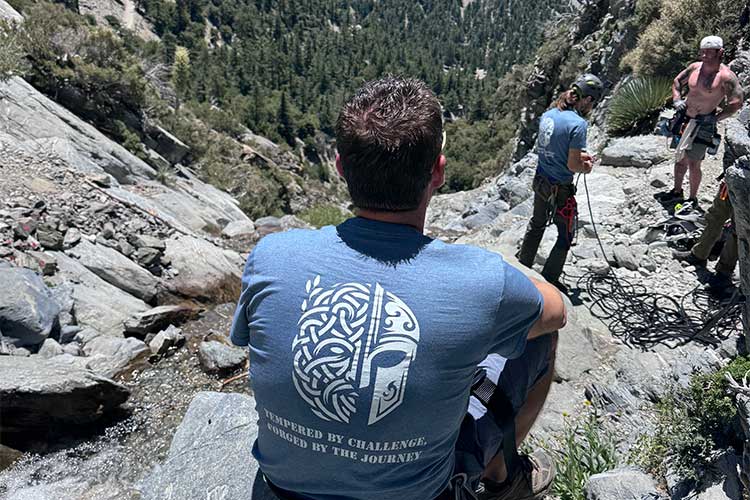
Who it helps: Men who need more daytime structure after relapse, DUI, or worsening symptoms while keeping evenings at home or in sober living.
What it looks like: Full daytime schedule with groups, individual sessions, and practical routines for mornings, meals, exercise, and night wind down. Weekly reviews identify wins, barriers, and next steps so Monday starts with a plan.
Why it works: The men-only setting reduces posturing and keeps attention on real obstacles like anger spikes, shame cycles, and work stress. Direct goals prevent drift between days.
LEARN MORE >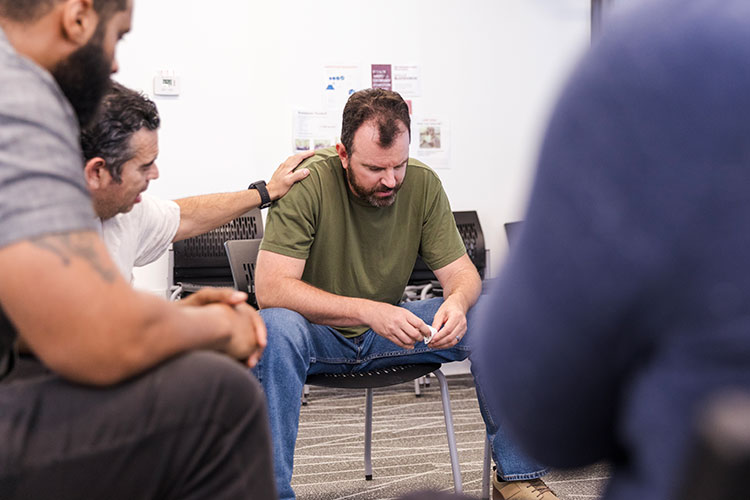
Who it helps: Men who have a foundation and want to protect gains as life gets busier.
What it looks like: Flexible frequency. Sessions focus on relapse warning signs, time management, conflict repair, and rebuilding trust. Goals often include steady sleep, consistent fitness, budgeting, and dependable follow-through.
Why it works: Accountability stays firm while schedules flex around San Diego County commutes and family needs. Peer support keeps standards high without drama.
LEARN MORE >
Who it helps: Men withdrawing from opioids, stimulants, or other substances who need a stable, supported reset.
What it looks like: Symptom monitoring, support for sleep, hydration, and nutrition, and medications when appropriate. Before discharge, next steps are scheduled and confirmed.
Why it works: A direct bridge into the right program prevents the “home then slip” cycle and keeps momentum moving forward.
LEARN MORE >
Who it helps: Men facing alcohol withdrawal or repeated failed attempts to quit.
What it looks like: Short-term, safety-focused stabilization with assessment, monitoring, and comfort strategies or medications when indicated. Planning for ongoing treatment begins immediately so support continues without gaps.
Why it works: Next steps are scheduled to fit work and family demands in Vista and North County, protecting early gains.
LEARN MORE >
Who it helps: Men who need a short, focused reset to stabilize routines and remove triggers.
What it looks like: A protected setting with a predictable day and peer support. The emphasis is on healthy habits and a confirmed plan to step into outpatient with traction.
Why it works: Clear expectations and direct feedback build readiness for IOP or PHP within a brotherhood model that rewards follow-through.
LEARN MORE >